
The live casino sector continues to evolve faster than most other segments of the online gambling industry. By 2026, live dealer games are no longer perceived as a niche product but as a core offering for international operators targeting both mature and emerging markets. Alongside technological progress, advertising standards and regulatory frameworks are also undergoing profound transformation. Governments, regulators, and platforms are tightening control over how live casino content is promoted, while brands are forced to adapt their marketing strategies to remain compliant, visible, and competitive.
This article explores international experience in live casino advertising, the regulatory shifts expected in 2026, and how operators, affiliates, and platforms can align their strategies with new rules without losing traffic quality or brand trust.
The Evolution of Live Casino Advertising Models
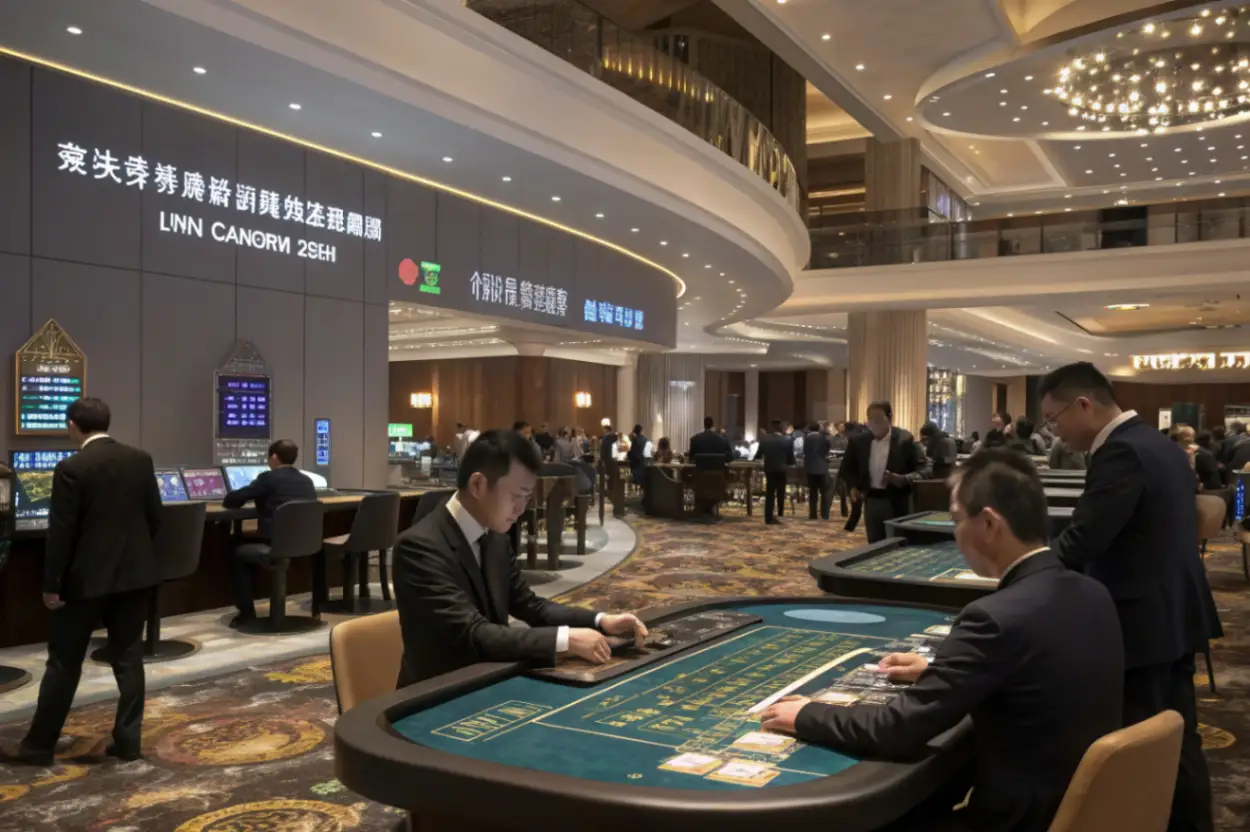
Live casino advertising has shifted dramatically over the last decade. Early campaigns focused heavily on aggressive bonus messaging, visual overload, and short-term acquisition tactics. However, as markets matured and regulators introduced stricter oversight, advertising models moved toward transparency, entertainment value, and long-term brand positioning.
By 2026, live casino marketing is increasingly shaped by user experience expectations rather than pure conversion metrics. Video-based content, interactive streams, influencer-led promotions, and native integrations into entertainment platforms dominate the landscape. Instead of promising instant winnings, brands emphasize realism, dealer professionalism, studio quality, and responsible gaming messaging. This evolution reflects a broader global trend where gambling advertising must balance commercial goals with social responsibility.
International operators now prioritize omnichannel strategies that combine search engine optimization, compliant paid media, content partnerships, and community-driven engagement. Live casino advertising is no longer about shouting the loudest but about building credibility, trust, and emotional connection in highly regulated environments.
Regulatory Landscape for Live Casino Ads Across Regions
Regulatory divergence remains one of the biggest challenges for global live casino advertising. While some regions tighten restrictions, others introduce clearer frameworks that allow sustainable promotion under strict conditions. Understanding these differences is essential for any operator planning international expansion in 2026.
Before analyzing the implications, it is useful to compare how key regions regulate live casino advertising today and where they are heading.
| Region | Advertising Approach | Key Restrictions | 2026 Trend |
|---|---|---|---|
| European Union | License-based, country-specific rules | Bonus limits, time restrictions, responsible gaming messaging | Further harmonization and stricter enforcement |
| United Kingdom | Highly regulated, ASA oversight | Ban on misleading bonuses, strong RG focus | Expanded content scrutiny and influencer controls |
| United States | State-by-state regulation | Platform restrictions, limited channels | Gradual expansion with compliance-heavy advertising |
| Asia-Pacific | Mixed legality | Heavy bans or grey zones | Selective legalization and controlled promotion |
| Latin America | Rapid regulation growth | Licensing and tax requirements | More open markets with defined ad rules |
These regulatory frameworks shape not only where ads can appear but also how live casino content is framed. In 2026, regulators increasingly scrutinize imagery, language, and targeting criteria. Real dealers, studio settings, and game mechanics must be presented accurately, without exaggeration or misleading claims. This trend pushes brands toward educational and experiential advertising rather than promotional exaggeration.
Advertising Channels That Dominate Live Casino Promotion
Despite regulatory pressure, live casino advertising remains highly diversified. Successful campaigns in 2026 rely on channel balance rather than dependence on a single traffic source. Operators that adapt their messaging to each channel while maintaining compliance achieve stronger long-term results.
Before listing the most effective channels, it is important to understand that regulators now evaluate not only the content itself but also the context in which it appears. This has reshaped channel selection strategies:
- Search engine optimization focused on informational and comparison-based queries related to live casino games and platforms.
- Video platforms and streaming services with age-gated access and responsible gaming disclosures.
- Affiliate content sites emphasizing reviews, live dealer explanations, and regional compliance.
- Influencer partnerships limited to licensed markets and transparent sponsorship disclosure.
- Native advertising integrated into entertainment and gaming ecosystems.
Each of these channels requires a tailored compliance approach. SEO-driven content emphasizes clarity and educational value, while video advertising focuses on studio authenticity and dealer interaction. Influencer marketing, once loosely regulated, is now under direct scrutiny, forcing brands to implement strict guidelines and approval workflows.
The key takeaway is that no channel operates independently anymore. In 2026, cross-channel consistency and regulatory alignment define success more than raw reach.
Responsible Gaming Messaging as a Core Advertising Element
One of the most significant changes in live casino advertising is the shift of responsible gaming from a legal obligation to a strategic advantage. Regulators now expect responsible gaming messages to be visible, meaningful, and integrated naturally into promotional materials.
International experience shows that brands incorporating responsible gaming principles into their advertising build stronger trust and reduce long-term regulatory risk. Live casino ads in 2026 commonly include clear session limits, transparent RTP explanations, and reminders about entertainment-focused play. Rather than diminishing appeal, this approach often enhances brand credibility, especially among experienced players.
Responsible gaming messaging also influences creative direction. Visuals avoid excessive luxury symbolism, while language emphasizes control and informed choice. This trend reflects a broader alignment between advertising ethics and sustainable growth models within the live casino sector.
Data Protection, Targeting, and Privacy Challenges
Privacy regulation has become a defining factor in digital advertising, and live casino promotion is no exception. With stricter data protection laws in Europe, North America, and parts of Asia, operators must rethink targeting strategies.
In 2026, behavioral targeting based on extensive user profiling is increasingly restricted. Instead, contextual advertising and first-party data strategies dominate live casino marketing. Brands invest heavily in compliant data collection through registered platforms, loyalty programs, and opt-in content ecosystems.
International case studies show that operators who prioritize transparency in data usage face fewer compliance issues and maintain stronger user retention. Advertising messages are delivered based on content relevance rather than invasive tracking, aligning with both regulatory expectations and user preferences.
The Role of Technology in Compliant Live Casino Advertising
Technology plays a dual role in live casino advertising: enabling innovation while ensuring compliance. Advanced ad verification tools, AI-driven content moderation, and real-time compliance monitoring systems are becoming standard by 2026.
These technologies allow operators to adapt campaigns dynamically across jurisdictions. Advertising creatives can be automatically adjusted based on user location, legal status, and platform policies. This reduces the risk of violations and enables scalable international marketing strategies.
Live casino platforms also leverage technology to enhance transparency. Real-time dealer streams, behind-the-scenes studio footage, and interactive features create authentic advertising experiences that regulators view more favorably than exaggerated promotional claims.
Future Outlook for Live Casino Advertising Strategies
Looking ahead, live casino advertising in 2026 is defined by convergence rather than disruption. Marketing, compliance, technology, and user experience are no longer separate disciplines but interconnected components of a single strategy.
International experience suggests that brands investing in long-term compliance infrastructure outperform those relying on short-term loopholes. Advertising becomes less aggressive but more sophisticated, focusing on storytelling, realism, and trust-building. Operators that understand regional differences while maintaining a unified brand message are best positioned to succeed.
As regulations continue to evolve, adaptability remains the most valuable asset. Live casino advertising is no longer about pushing boundaries but about mastering them.
Conclusion
Live casino advertising in 2026 reflects the maturity of the global online gambling industry. New rules, stricter oversight, and higher user expectations reshape how brands communicate, promote, and position live dealer products. International experience shows that sustainable success lies in compliance-driven creativity, responsible messaging, and technology-enabled precision.
For operators and affiliates alike, the future belongs to those who treat regulation not as a limitation but as a framework for building trust, relevance, and long-term growth in the live casino market.